A perspective from the Executive Director of the Coalition of African Animal Welfare Organisations (CAAWO) ahead of the AVA Summit 2025 in Nairobi
Introduction
As I prepare to address fellow advocates at the inaugural Animal & Vegan Advocacy Summit in Nairobi this July, I find myself reflecting on a profound truth that has guided CAAWO’s mission since our founding in 2018: the welfare of animals and humans in Africa are not competing interests, but interconnected destinies that must be woven together for our continent’s sustainable future.
The timing of this summit could not be more critical. As the world grapples with the final five years to achieve the United Nations’ 2030 Sustainable Development Goals, Africa stands at a crossroads where our choices about animal welfare will determine not just the fate of billions of sentient beings but also the health, prosperity, and environmental sustainability of our communities across the continent.
The Current Landscape: Where Africa Stands in Global Animal Welfare
The year 2025 has already proven to be a watershed moment for animal welfare globally, with significant developments that directly impact our work across Africa. The recent UN High-Level Political Forum’s focus on SDG 3 (Good Health and Well-being) and SDG 14 (Life Below Water) has brought animal welfare into sharp focus as a prerequisite for sustainable development—a position CAAWO has championed since our inception.
Recent data from the World Federation for Animals reveals a compelling narrative: animal welfare is no longer a peripheral concern but a central pillar of global health security and environmental sustainability. The organisation’s advocacy at the UN High-Level Political Forum emphasises that “if we want to leave no one behind truly, we can’t leave animals behind either”—a sentiment that resonates deeply with CAAWO’s integrated approach to human and animal welfare.
The African Context: Unique Challenges, Unprecedented Opportunities
A complex interplay of traditional practices, rapid urbanisation, climate change impacts, and emerging industrial agriculture systems characterises Africa’s animal welfare landscape. Unlike other continents that are retrofitting existing systems to improve animal welfare, Africa has the unprecedented opportunity to build sustainable, welfare-conscious systems from the ground up.
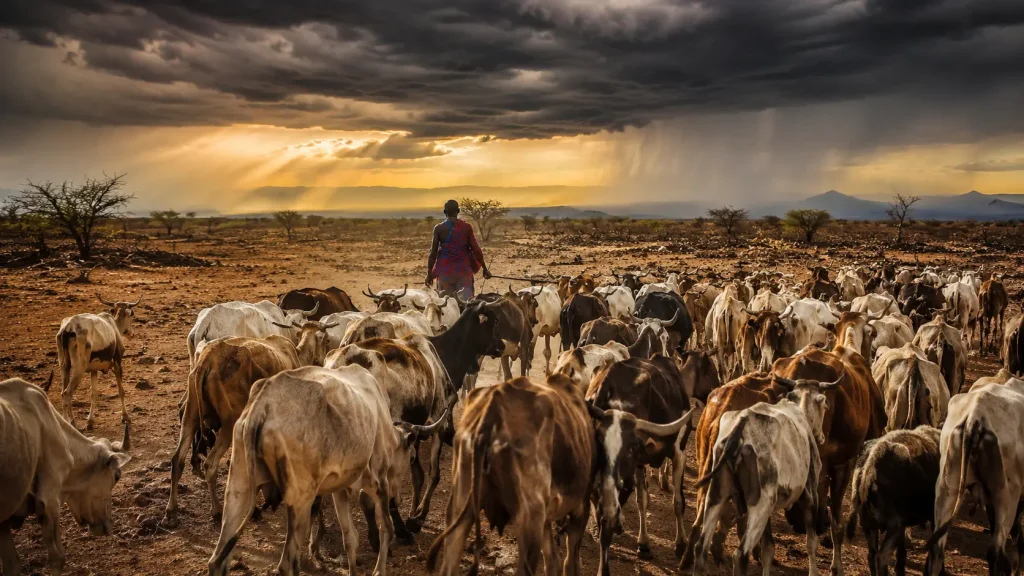
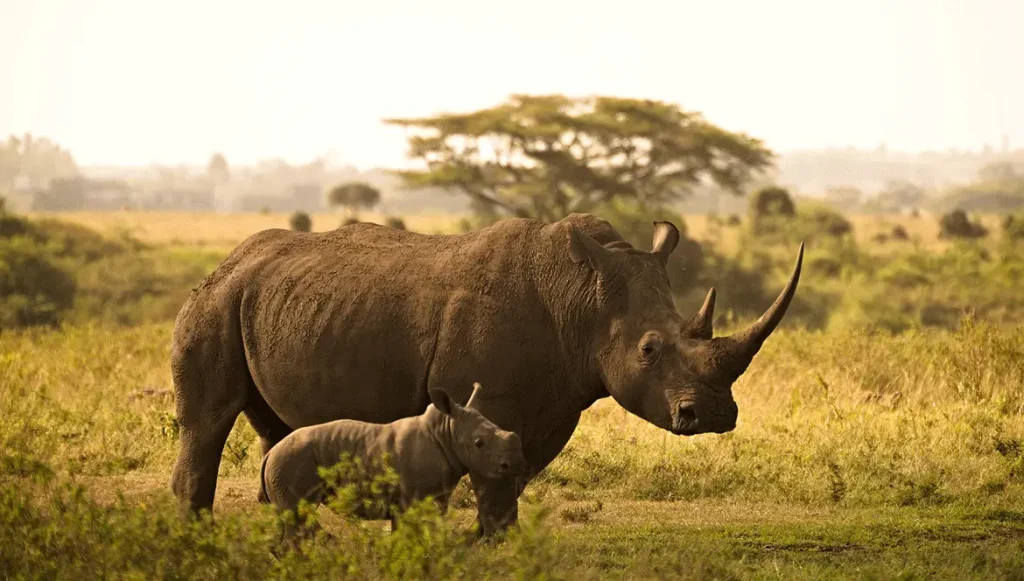
Our continent hosts some of the world’s most magnificent wildlife populations, yet we also face the fastest-growing demand for animal protein. The Food and Agriculture Organisation projects that Africa’s livestock population will double by 2050, presenting both an enormous challenge and a historic opportunity to demonstrate that economic development and animal welfare can advance hand in hand.
The rise of industrial animal farming across Africa has been extensively documented, with concerning trends emerging in countries such as Nigeria, Kenya, and South Africa. Factory farming systems that prioritise profit over welfare are being imported wholesale from other continents, often without the regulatory frameworks or enforcement mechanisms that have evolved over decades in different regions. This represents a critical juncture where CAAWO’s advocacy for alternative development pathways becomes essential.
CAAWO’s Vision: Integrating Human and Animal Welfare for Sustainable Development
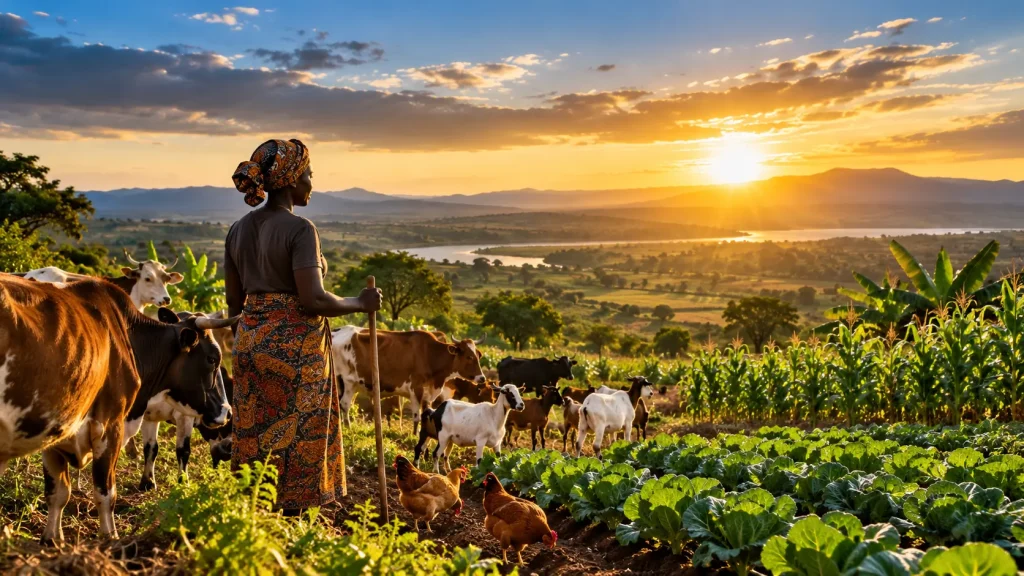
Since our establishment in 2018, CAAWO has operated on a fundamental principle that sets us apart in the global animal welfare movement: the recognition that in Africa, human and animal welfare are inextricably linked. Our approach acknowledges that sustainable animal welfare improvements must address the socioeconomic realities of African communities, particularly in rural and peri-urban areas where people and animals share intimate daily relationships.
Our work spans five critical areas that reflect the complexity of animal welfare in the African context:
-
Collaborative networking – bringing together traditional leaders, smallholder farmers, government officials, and international organisations.
-
Advocacy and legislation – harmonising animal welfare laws across African countries while respecting cultural diversity.
-
Education and training – building local capacity to enable welfare-conscious choices even within economic constraints.
-
Continental coordination – facilitating knowledge sharing and resource pooling across borders.
-
Capacity building – strengthening local organisations and individuals working in animal welfare and environmental stewardship.
Addressing the Factory Farming Challenge
One of the most pressing issues facing African animal welfare today is the rapid expansion of industrial agriculture systems that prioritise efficiency and profit over animal welfare and environmental sustainability. Over 90% of farm animal cruelty globally stems from factory farming operations, and Africa is increasingly adopting these systems without the regulatory safeguards that have evolved elsewhere.
The welfare concerns are severe:
-
Sows confined in stalls throughout pregnancy, unable to turn around.
-
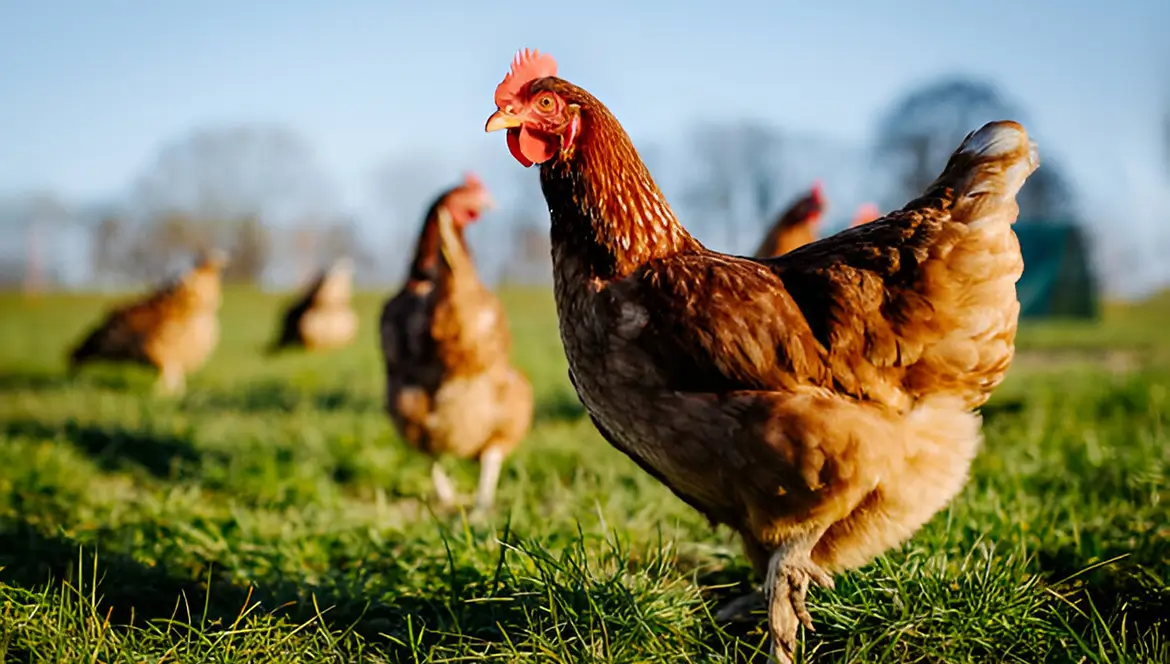
Laying hens trapped in battery cages, denied natural behaviours.
-
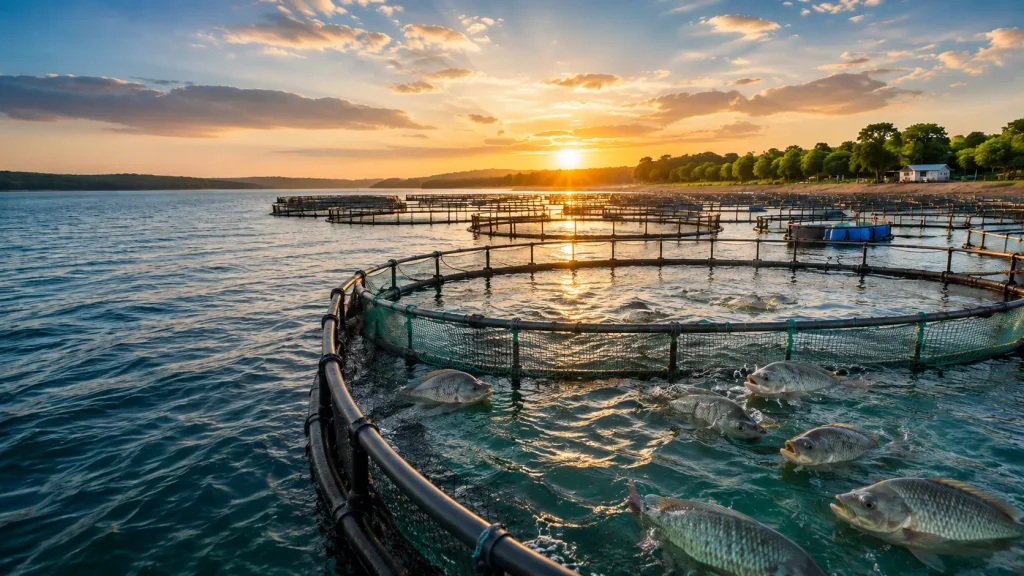
Fish left to suffocate or killed without stunning in aquaculture operations.
Yet Africa has the chance to avoid these mistakes, by choosing welfare-conscious systems that support rural livelihoods and protect the environment.
Current Global Trends: Lessons and Opportunities for Africa
Several global trends in 2024–2025 offer important lessons for Africa:
-
The Business Benchmark on Farm Animal Welfare shows corporate policies improving, hinting at a competitive advantage for early adopters.
-
U.S. state-level bans on confinement systems illustrate welfare reforms can be economically viable.
-
The One Health framework underlines that animal welfare is essential for public health and food system sustainability.
-
The Global Sustainable Tourism Council’s new Roundtable highlights ethical animal welfare in tourism.
These trends show Africa can align welfare improvements with economic and environmental goals.
The Technology and Innovation Frontier
Technology offers real promise for African animal welfare:
-
Remote sensing and mobile apps to educate farmers and monitor welfare.
-
Blockchain systems for supply chain transparency.
-
Precision livestock technologies to identify health problems early and improve welfare.
-
Plant-based and cultivated meat technologies to reduce pressure on traditional farming.
These tools help leapfrog to modern, humane, and sustainable systems.
The AVA Summit 2025: A Catalyst for Continental Change
The Animal & Vegan Advocacy Summit in Nairobi (July 17–20, 2025) is historic: the first major Africa-focused summit on farmed animal welfare. It recognises that African contexts need African solutions, and it brings together diverse stakeholders—from traditional farmers to urban consumers and policymakers.
The summit’s timing is critical, coinciding with major UN initiatives and discussions on antimicrobial resistance and climate policy.
Building African Leadership in Global Animal Welfare
The summit will strengthen African leadership and ensure African voices shape global policies. It will build capacity, networks, and evidence-based advocacy tailored to African realities, where welfare must align with urgent human development needs.
The Path Forward: Strategic Priorities for African Animal Welfare
Policy Harmonisation and Regional Cooperation
Aligning animal welfare laws across African countries is key. Regional bodies like the African Union and SADC offer platforms for this work.
Education and Awareness
Tailored campaigns for farmers, consumers, policymakers, and young people are vital to embed animal welfare into social consciousness.
Economic Incentives and Market Development
Markets, certification, and access to finance can help farmers improve welfare without losing competitiveness.
Innovation and Technology
Investing in welfare-friendly, high-tech, low-cost solutions can help Africa bypass the mistakes of intensive farming systems elsewhere.
Climate Change and Animal Welfare
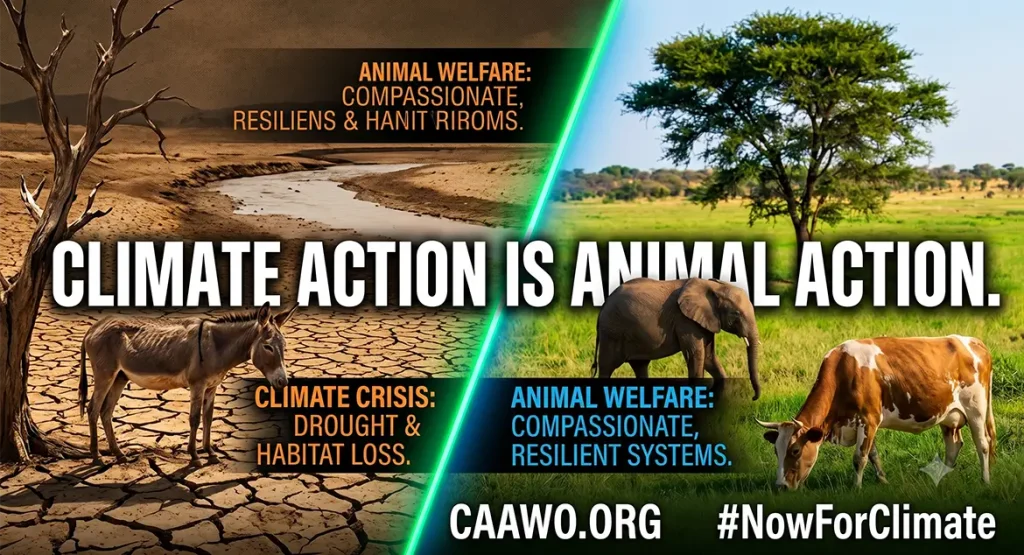
Strategies must protect animals from heat, drought, and disasters while reducing agriculture’s environmental footprint.
The Role of Youth and Future Generations
Empowering youth through education, entrepreneurship, and exchange programs will secure sustainable animal welfare advocacy.
Measuring Progress: Indicators and Accountability
Robust, practical systems for monitoring, certification, and transparent reporting will keep stakeholders accountable.
Conclusion: A Call to Action for African Animal Welfare
As I prepare to speak at the AVA Summit, I feel urgency—decisions made in the next five years will decide if Africa becomes a welfare leader or repeats others’ mistakes—and optimism, as new generations see welfare as essential, not optional.
It’s time for governments, businesses, and individuals to act: to invest in welfare alongside growth, protect animals as sentient beings, and build African systems that respect life and sustainability.
Join us at the AVA Summit 2025 in Nairobi, and help shape a future where human prosperity and animal welfare advance hand in hand.
References
[1] World Federation for Animals – UN High-Level Political Forum 2025
[2] CAAWO – Our Work
[3] Shelter Animals Count – 2024 Year-End Report
[4] Business Benchmark on Farm Animal Welfare – 2024 Report
[5] AVA Summit – Kenya 2025
[6] Global Sustainable Tourism Council – Roundtable on Animal Welfare
[7] Sentient Media – Rise of Factory Farming in Africa
[8] Animal Advocacy Africa – Cage-Free Projects