November 2026 marked an important moment for global public health and environmental policy as two major observances occurred back-to-back: World Antimicrobial Resistance Awareness Week (18–24 November) and the UN Climate Change Conference (COP31) in Antalya, Türkiye. Taken together, these global summits leave African leaders with a pressing question: can the continent realistically build food systems that are resilient, health-focused, and sustainable if farm animal welfare remains on the periphery?
Simply put, it cannot.
For decades, livestock welfare across sub-Saharan Africa has been treated as a secondary concern—a moral consideration, perhaps, but ultimately divorced from the core mechanics of food security, economic development, public health, and climate adaptation. However, recent global conversations demonstrate how deeply intertwined these domains truly are. This realisation creates both an opportunity and a responsibility for the Coalition of African Animal Welfare Organisations (CAAWO) to advocate for embedding animal welfare at the centre of Africa’s climate strategies and One Health policy frameworks.
AMR Awareness Week: Better Animal Welfare Is Part of the Solution
Coordinated by the Quadripartite agencies—the WHO, FAO, UNEP, and WOAH—this year’s World AMR Awareness Week rallied around the global theme One Health, one action: Prevent AMR now. At its core, antimicrobial resistance (AMR) occurs when bacteria, viruses, fungi, and parasites adapt and cease responding to medicines, jeopardising human medicine, food safety, and agricultural livelihoods alike.
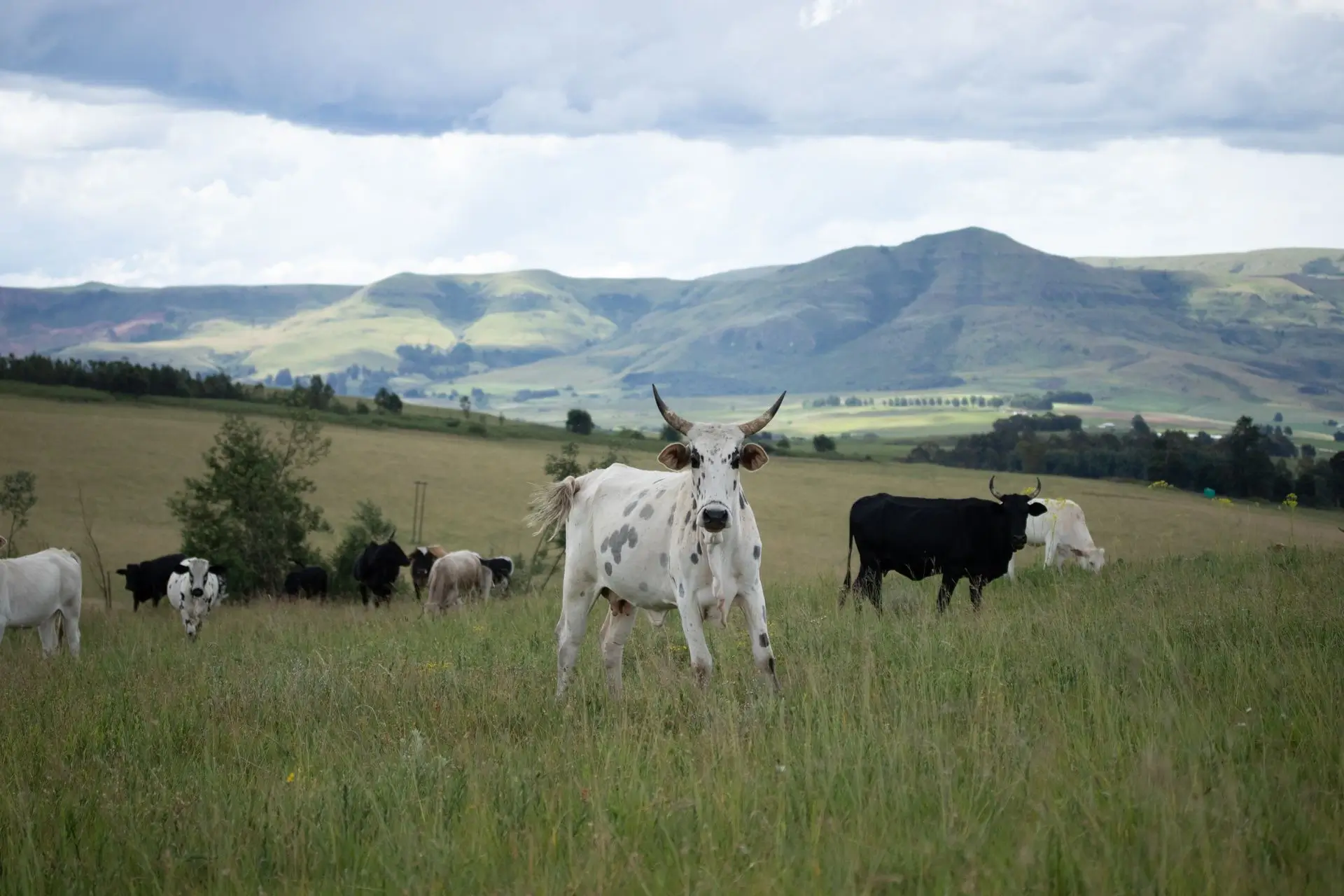
The agricultural sector feels this vulnerability intensely. Poor housing, severe overcrowding, inadequate nutrition, and limited veterinary oversight create high-stress environments where infectious diseases proliferate rapidly, driving a heavy reliance on routine antimicrobials to prevent herd loss. Improving daily animal husbandry, housing, and living conditions offers a proven structural mechanism to break this cycle by keeping animals healthier from the start.
Stewardship does not mean withholding therapeutic care when an animal falls ill; responsible, prudent use of antimicrobials remains a core tenet of humane veterinary medicine. However, preventative welfare standards significantly reduce the baseline reliance on chemical interventions.
Encouraging momentum emerged across the continent during the awareness week. On 18 November, Kenya published its National Antimicrobial Resistance Report 2026, introducing targeted biosecurity guidelines for poultry, pig, and dairy farming alongside enhanced surveillance for slaughter facilities. In Ghana, researchers presented landmark findings on 15 November regarding critical antibiotic usage in pig production, prompting national reviews of veterinary prescribing policies. Simultaneously, South Africa’s feed sector highlighted how preventive care and optimised nutrition directly advance broader antimicrobial stewardship. Turning these individual policy breakthroughs into systemic regional change will require sustained investment and on-the-ground implementation.
COP31: Where Were the Animals in the Climate Conversation?
As COP31 concluded in Antalya on 22 November, negotiations centred heavily on climate adaptation funding, global food security, and rural community support. While delegates made progress on adaptation mechanisms, broader negotiations surrounding agriculture and resilient food systems stalled without a binding agreement, deferring essential implementation decisions until 2027. This update was confirmed in the official UN Climate Change outcome report.
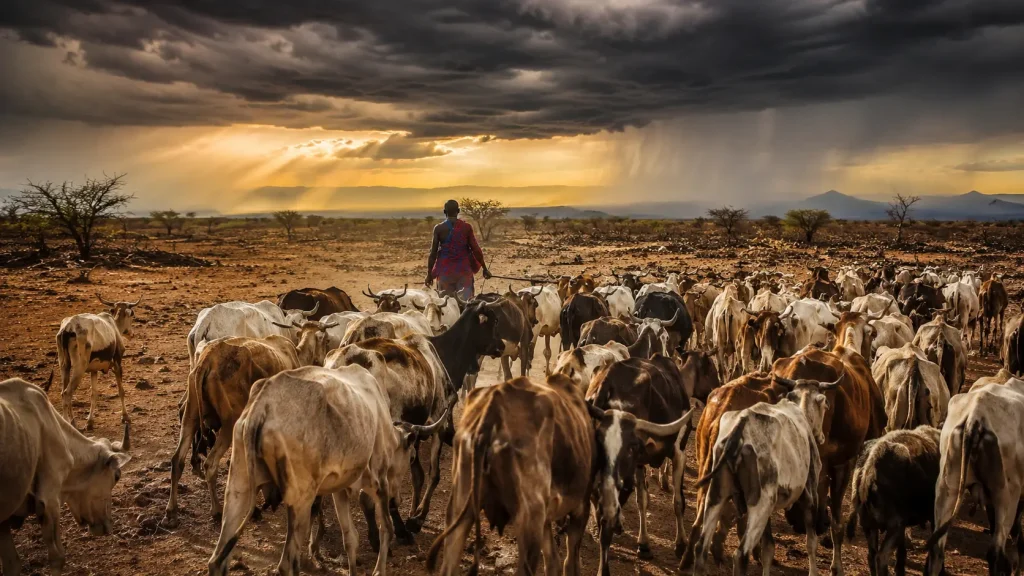
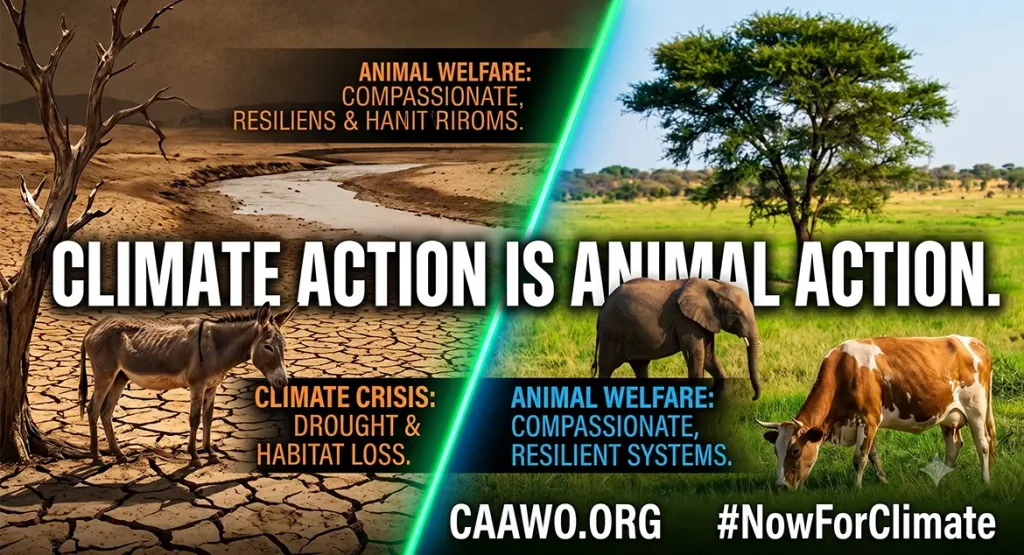
For African agricultural communities facing shifting rainfall patterns, prolonged droughts, and record heatwaves, these policy delays carry immediate consequences. Yet, even within existing climate adaptation discussions, a vital component is consistently overlooked: farm animals themselves suffer directly from climate instability. Severe heat stress compromises immune function, growth, and reproduction in livestock, while acute water shortages and feed insecurity leave herds susceptible to disease outbreaks and prolonged suffering.
Climate adaptation plans must look beyond basic production output to evaluate the physical welfare and living conditions of animals within production systems. This imperative is particularly acute across sub-Saharan Africa, where millions of pastoralists and smallholder farmers depend directly on livestock for nutritional security and financial stability. Although COP31 elevated food systems on the global climate agenda, it failed to formalise clear animal welfare benchmarks within national climate commitments—leaving a policy gap that African leaders are well-positioned to fill.
The Missing Link: Animal Welfare Connects AMR and Climate Resilience
Although AMR Awareness Week and COP31 addressed sustainable development from different perspectives, their core findings converge on a shared reality: improving how farm animals are housed, fed, and managed strengthens the resilience of the entire food ecosystem.
Animals kept in chronic stress or substandard environments suffer higher infection rates, driving up treatment requirements and accelerating drug resistance. Conversely, sound husbandry, preventive vaccination, balanced nutrition, and appropriate shelter strengthen natural immunity while mitigating the impacts of climate shocks. Guidelines from the World Organisation for Animal Health confirm that humane living conditions and biosecurity represent the most effective long-term defence against pharmaceutical dependence.
Improving animal living standards yields immediate compound benefits for public health, climate resilience, and rural economic stability. Realising these gains across Africa requires deliberate policy integration and structural investment.
A Call for African Leadership
African nations do not need to wait for international global consensus to take meaningful action. Regional bodies, national governments, researchers, and veterinary professionals can lead by integrating farm animal welfare directly into existing policy frameworks. CAAWO recommends five priority policy actions:
- Integrate Welfare into AMR Action Plans: National AMR strategies must formally incorporate animal housing, biosecurity, and management standards as baseline disease prevention measures.
- Embed Welfare Indicators in Climate Policy: Agricultural adaptation plans should establish explicit animal welfare metrics, particularly regarding heat stress mitigation, shade provision, and water access.
- Expand Rural Veterinary Support: Public and private investment must extend veterinary services, diagnostic tools, and technical training to underserved smallholders and pastoralist communities.
- Incentivise Humane Farming: Governments should develop realistic welfare standards supported by financial incentives, enabling producers to adopt sustainable, high-welfare management practices.
- Include Animal Welfare in One Health Governance: Animal protection organisations must be granted formal seats in national and regional discussions concerning One Health, climate finance, and agricultural planning.
From Global Commitments to Local Action
The takeaway from late 2026 is clear: addressing antimicrobial resistance requires eliminating preventable animal disease, and building climate resilience requires protecting livestock from environmental extremes. Protecting animal well-being and supporting human health are mutually reinforcing objectives. As policymakers translate post-COP31 frameworks into national strategies and implement the lessons of World AMR Awareness Week, CAAWO calls for a unified approach that establishes farm animal welfare as an essential pillar of sustainable agriculture and public health across Africa.
Africa’s food systems must become healthier, more resilient, and more humane. One Health cannot succeed if farm animal welfare is left behind.
Author Profile & Contact
Tozie Zokufa is the Executive Director of the Coalition of African Animal Welfare Organisations (CAAWO), advocating for high-welfare, sustainable food systems and the integration of One Health policy across Africa.
- Website: toziezokufa.co.za
- CAAWO: caawo.org
- LinkedIn: linkedin.com/toziezokufa
- Email: tozie@caawo.org
References
[1] World Health Organisation (2026). World AMR Awareness Week 2026: One Health, One Action — Prevent AMR Now (https://www.who.int/news-room/events/detail/2026/11/18/default-calendar/world-amr-awareness-week-2026).
[2] WHO Regional Office for Africa (18 November 2026). Kenya launches new national report and guidelines to keep antimicrobials working (https://afro.who.int/countries/kenya/news/kenya-launches-new-national-report-and-guidelines-keep-antimicrobials-working).
[3] WHO Special Programme for Research and Training in Tropical Diseases (15 November 2026). Research on pig farming may change Ghana's policy on a last-resort antibiotic (https://tdr.who.int/newsroom/news/item/15-11-2026-research-on-pig-farming-may-change-ghana-s-policy-on-a-last-resort-antibiotic).
[4] Animal Feed Manufacturers Association of South Africa (18 November 2026). World Antimicrobial Resistance Awareness Week (https://afma.co.za/2026/11/18/world-antimicrobial-resistance-awareness-week-18-24-november-2026/).
[5] UN Climate Change (23 November 2026). COP31 delivers progress that advances implementation of the Paris Agreement, but stalls on a range of key issues (https://unfccc.int/news/cop31-delivers-progress-that-advances-implementation-of-the-paris-agreement-but-stalls-on-range-of).
[6] World Organisation for Animal Health (2026). Antimicrobial resistance: WOAH's global initiatives (https://www.woah.org/en/what-we-do/global-initiatives/antimicrobial-resistance/).
[7] WHO (16 November 2026). More countries have antimicrobial resistance plans but patients still lack testing and treatment (https://www.who.int/news/item/16-11-2026-more-countries-have-antimicrobial-resistance-plans-but-patients-still-lack-testing-and-treatment).
[8] International Livestock Research Institute (2026). World AMR Awareness Week 2026 (https://www.ilri.org/world-amr-awareness-week-2026).