By the Coalition of African Animal Welfare Organisations (CAAWO)
For the first time in human history, aquaculture now produces more seafood for direct human consumption than wild capture fisheries. This is not a marginal shift. It is a structural transformation of the global food system and one that carries profound implications for animal welfare, biosecurity, and the health of humans and animals across Africa.
The UN Food and Agriculture Organization’s (FAO) flagship State of World Fisheries and Aquaculture (SOFIA 2026) report, launched in June 2026 at the Our Ocean Conference in Mombasa, Kenya, confirms that global fisheries and aquaculture production reached a record 235 million tonnes in 2024, of which 195 million tonnes were aquatic animals. Aquaculture production of aquatic animals surpassed 100 million tonnes for the first time, valued at $371 billion at the farm gate. Global per capita aquatic food consumption climbed to an all‑time high of 20.7 kg per year.
But here is the reality the headlines obscure: we are trading ecological extraction for industrial bioengineering and the biological risks in water are significantly higher than those on land.
Africa’s Path: Potential and Peril
The SOFIA 2026 report was launched on African soil for a reason. Aquaculture is expanding rapidly across the continent, offering new opportunities for rural development, poverty reduction, and improved nutrition. Small-scale aquaculture holds particular promise for underserved communities.
This is both an opportunity and a warning. Rapid expansion without robust governance, biosecurity infrastructure, and animal welfare standards will not solve food security — it will create new vectors for disease, environmental degradation, and suffering.
Elevated Disease Vulnerability within High-Density Systems
The SOFIA 2026 report warns that intensive aquaculture can strain local ecosystems, increase disease risks, and generate pollution if poorly managed. Climate‑related risks warming waters, disease outbreaks, extreme weather events, and increasing competition for water and coastal resources are already disrupting aquaculture production.
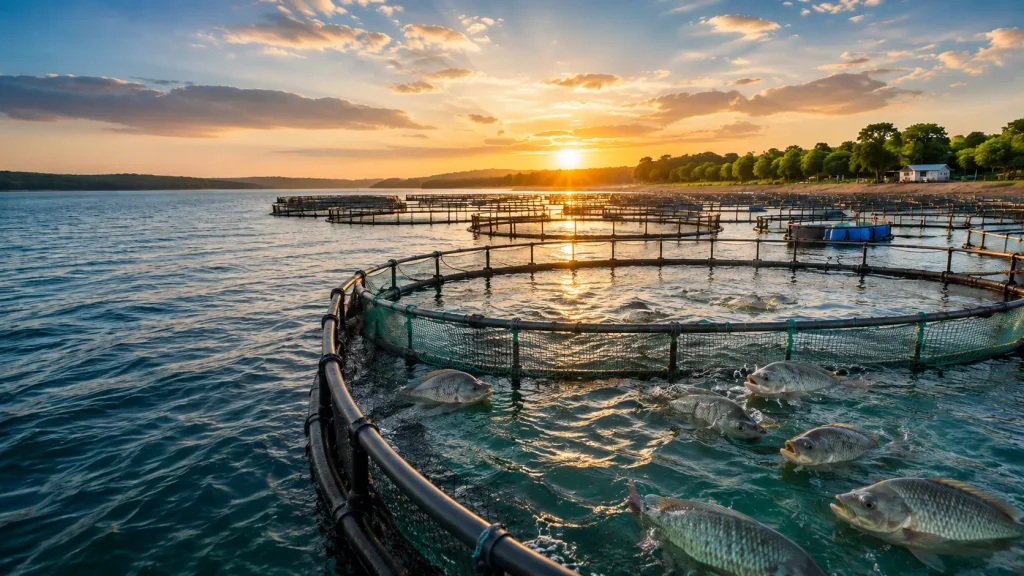
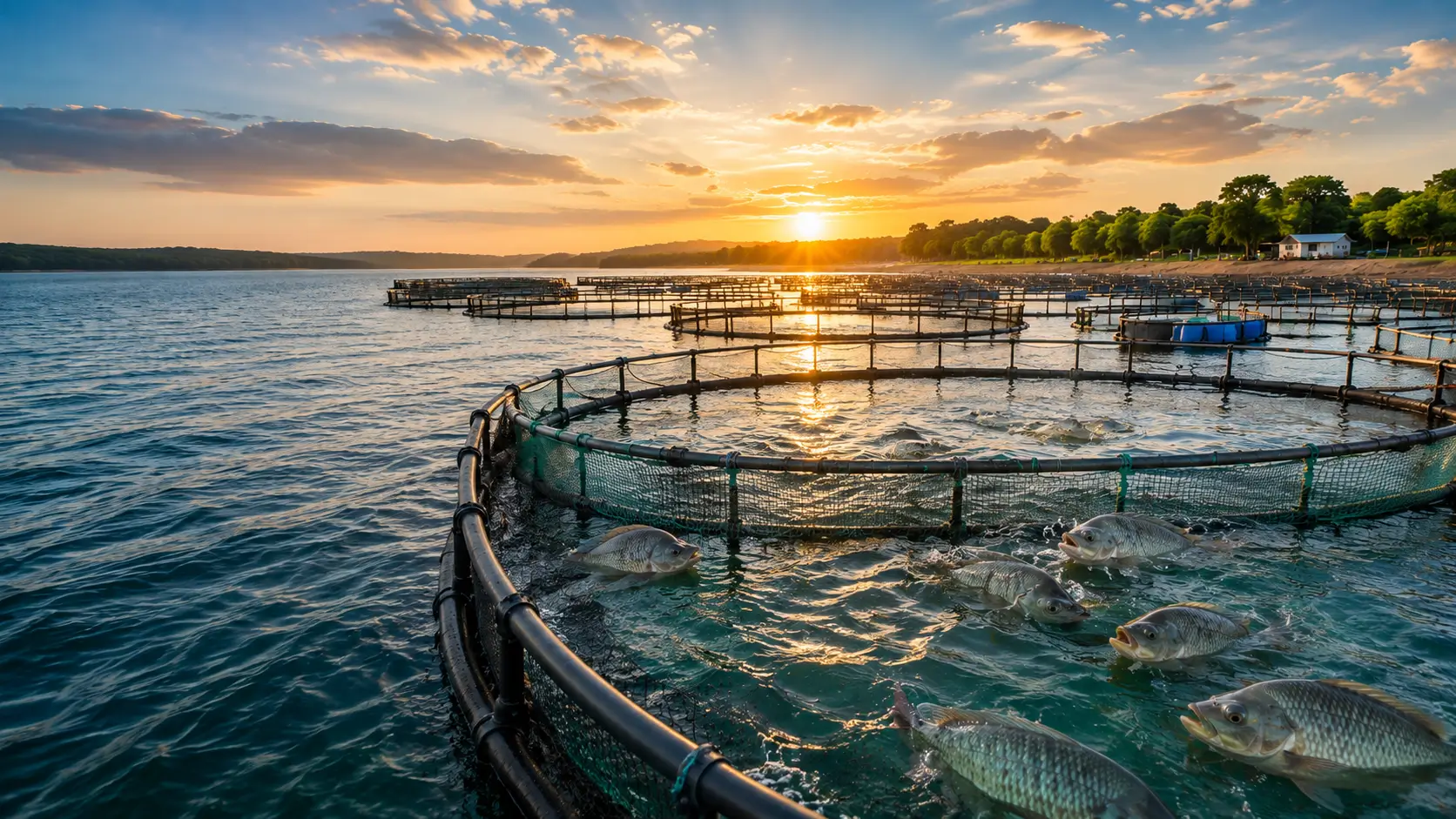
This is not a theoretical concern. High‑density recirculating aquaculture systems (RAS) and open‑net pens create intense pathogen pressure: Tilapia Lake Virus, Infectious Salmon Anaemia, and Enterocytozoon hepatopenaei in shrimp are already causing significant mortality. The shift from wild capture to farming alters the biological risk profile of global seafood supply entirely. Input costs are moving away from fuel and gear toward aquatic biosecurity, water filtration chemistry, and vaccines.
For African nations scaling up aquaculture rapidly, the absence of systematic disease surveillance, particularly for warm‑water freshwater species like catfish and tilapia, is a critical intelligence gap.
A One Health Imperative
CAAWO’s vision is to integrate the health and welfare of humans and animals for sustainable development. The aquaculture revolution makes this integration more urgent than ever.
The same pathogens that affect farmed fish can impact wild aquatic populations, contaminate water sources, and, in the case of zoonotic pathogens, threaten human health. Poorly managed aquaculture systems can become reservoirs for antimicrobial resistance (AMR), with residues and contaminants entering the broader environment.
A One Health approach recognising the interconnectedness of human, animal, and environmental health must guide Africa’s aquaculture expansion. This means:
- Investing in aquatic disease surveillance and diagnostics before outbreaks occur
- Strengthening biosecurity protocols at farm, national, and regional levels
- Developing autogenous vaccines and phage therapies tailored to local pathogen strains
- Ensuring animal welfare standards are embedded in aquaculture governance from the outset
- Building capacity for veterinarians, aquatic animal health professionals, and farmers.
Our Call to Action
The SOFIA 2026 report confirms that the world’s seafood balance sheet has permanently shifted from ecological extraction to industrial bioengineering. For Africa, this is a moment of choice.
We can build an aquaculture sector that is sustainable, equitable, and humane, or we can repeat the mistakes of terrestrial animal agriculture, where disease outbreaks, environmental degradation, and animal suffering are addressed reactively rather than prevented proactively.
CAAWO calls on:
- African governments to embed One Health principles and animal welfare standards in national aquaculture strategies
- Regional bodies (AU‑IBAR, SADC, ECOWAS) to establish harmonised aquatic disease surveillance and biosecurity frameworks
- Development partners to fund aquatic animal health capacity‑building, not just production infrastructure
- Investors to recognise aquatic biosecurity and diagnostics as mission‑critical assets
- Civil society to advocate for transparency, traceability, and welfare in the growing aquaculture sector
This blog post is informed by CAAWO’s August 2026 Wet Lab & The Ledger intelligence report and the UN FAO SOFIA 2026 report.